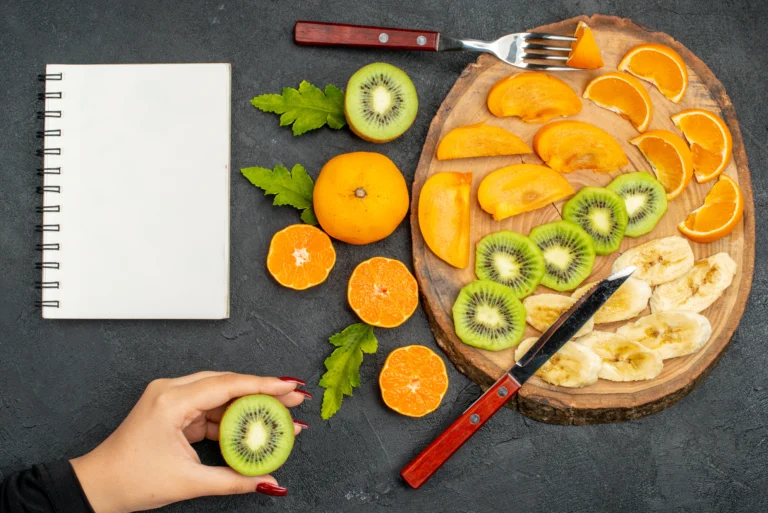
If you often find yourself tossing and turning at night, your evening eating habits may be playing a bigger role than you realize. Certain foods naturally support melatonin production, relax your nervous system, and prepare your body for restful sleep. In this guide, you’ll discover the Best Foods to Eat at Night for Better Sleep, along with how they influence your body, how much to eat, and when to eat them. With the right choices, your nighttime routine can become calmer, smoother, and far more restorative.
How Food Influences Your Sleep
The foods you choose before bed can directly affect how quickly you fall asleep and how deeply you rest. Nutrients like tryptophan, magnesium, potassium, calcium, and antioxidants help your body produce sleep-promoting hormones, relieve tension, and stabilize your mood.
Tryptophan converts into serotonin and later into melatonin — the hormone responsible for regulating your sleep-wake cycle. Meanwhile, magnesium and potassium help relax your muscles and nervous system, reducing restlessness. When paired with light complex carbohydrates, these nutrients can calm your body and create the perfect environment for high-quality sleep.
Timing also matters. Eating too late or choosing heavy meals can lead to discomfort and disrupted sleep. Light, nutritious, and well-balanced snacks are ideal for supporting your natural sleep rhythm.
Top Sleep-Promoting Foods to Eat at Night
Tart Cherries or Tart Cherry Juice
Tart cherries are rich in natural melatonin and antioxidants. If you struggle to fall asleep, this fruit can support your internal clock and help you relax faster. Drinking a small glass of tart cherry juice or eating a handful of cherries in the evening may improve both sleep duration and quality.
Nuts (Almonds, Pistachios, Walnuts)
Nuts contain melatonin, magnesium, and healthy fats — all essential for nighttime relaxation. Almonds help soothe muscle tension, pistachios naturally increase melatonin levels, and walnuts support serotonin production. A small handful before bed is enough to promote a calming effect without feeling too heavy.
Kiwi Fruit
Kiwi is a surprisingly powerful sleep-friendly fruit. It contains serotonin, folate, vitamin C, and antioxidants that may support faster sleep onset and deeper rest. Eating one or two kiwis at night is gentle on your stomach and can support consistent sleep patterns.
Oats and Whole Grains
Oats are an excellent source of magnesium and complex carbs, making them ideal for nighttime. They help stabilize blood sugar and encourage your body to release serotonin. A warm bowl of oatmeal before bed can be soothing, comforting, and effective for promoting rest.
Lean Proteins (Turkey, Eggs, Fish)
Turkey and eggs are well-known for containing tryptophan, which supports the production of calming hormones. Fatty fish such as salmon or tuna also contain omega-3s and vitamin D — nutrients that help regulate sleep. Adding a small portion of protein in the evening may help reduce restlessness.
Article keyword use #1: Here is one occurrence in the body section: If you’re building a bedtime routine around natural nutrition, focusing on the Best Foods to Eat at Night for Better Sleep can help stabilize your sleep cycle and reduce nighttime disturbances.
Dairy (Warm Milk, Yogurt)
Milk contains natural melatonin and tryptophan, which is why many people experience calmness after drinking warm milk. Yogurt adds the benefit of calcium, which the brain uses to create sleep-boosting hormones. These dairy options are light, soothing, and ideal for late evenings.
Sweet Potatoes and Leafy Vegetables
Sweet potatoes are rich in potassium, magnesium, and fiber — nutrients that calm muscles and support digestion. Leafy greens like spinach contain magnesium and tryptophan, making them a smart addition to a light, sleep-friendly dinner.
Chamomile Tea and Herbal Drinks
Chamomile tea contains apigenin, a natural compound that binds to calming receptors in your brain. It helps reduce stress, ease tension, and prepare your mind for sleep. Other herbal teas like lavender or passionflower can also support a peaceful nighttime routine.
Article keyword use #2: Many bedtime teas and calming foods pair well with other items in the Best Foods to Eat at Night for Better Sleep list, enhancing their relaxation benefits and creating a soothing evening ritual.
Sample Nighttime Sleep-Friendly Snacks
Warm Oats with Almond Butter
The combination of magnesium and healthy fats helps your body unwind gradually.
Greek Yogurt with Tart Cherries
This light snack provides melatonin, protein, and antioxidants.
Kiwi with a Handful of Nuts
A perfect mix of serotonin-boosting fruits and melatonin-rich nuts.
Whole-Grain Crackers with Turkey Slices
A balanced pairing of carbs and lean protein to support steady melatonin release.
Foods to Avoid Before Bed
Not all snacks are sleep-friendly. Some foods stimulate your nervous system or disrupt digestion, leading to poor sleep.
Avoid:
- Caffeine (coffee, tea, chocolate)
- Spicy foods
- Heavy or greasy meals
- Sugary snacks
- Alcohol (it disrupts sleep cycles)
These items can cause heartburn, increase your heart rate, or prevent your body from entering deep sleep stages.
Frequently Asked Questions
1. Can these foods guarantee better sleep?
They can support healthier sleep patterns, but individual results vary. Pairing good nutrition with proper sleep hygiene is essential.
2. Can I eat too many sleep-promoting foods?
Yes. Overeating, even healthy foods, can cause discomfort at night. Small portions are best.
3. Are these foods safe for everyone?
Most are safe, but people with allergies, reflux, diabetes, or specific medical conditions should choose foods that match their needs.
4. Can supplements replace these foods?
Food-based sleep benefits are generally gentler and more balanced. Supplements may help, but it’s best to consult a professional before using them.
Wrapping Up
Choosing the right nighttime foods can help you fall asleep faster, stay asleep longer, and wake up feeling energized. By focusing on the Best Foods to Eat at Night for Better Sleep, you create a natural foundation for calm evenings and deeper rest. Try adding these foods to your routine, experiment with different combinations, and pair them with healthy sleep habits to experience meaningful improvements in your overall sleep quality.